The Design to Action Networks
Six binational networks to bring together scattered efforts across the region
- Role
- Lead Program Manager
- Partners
- World Design Capital San Diego Tijuana 2024, UC San Diego Design Lab, 14 regional network leaders
- Dates
- March 2023 to March 2025
- Recognition
- 2024 Don Norman Design Award
- Methods
- research, network design, facilitation, site visits, impact reporting
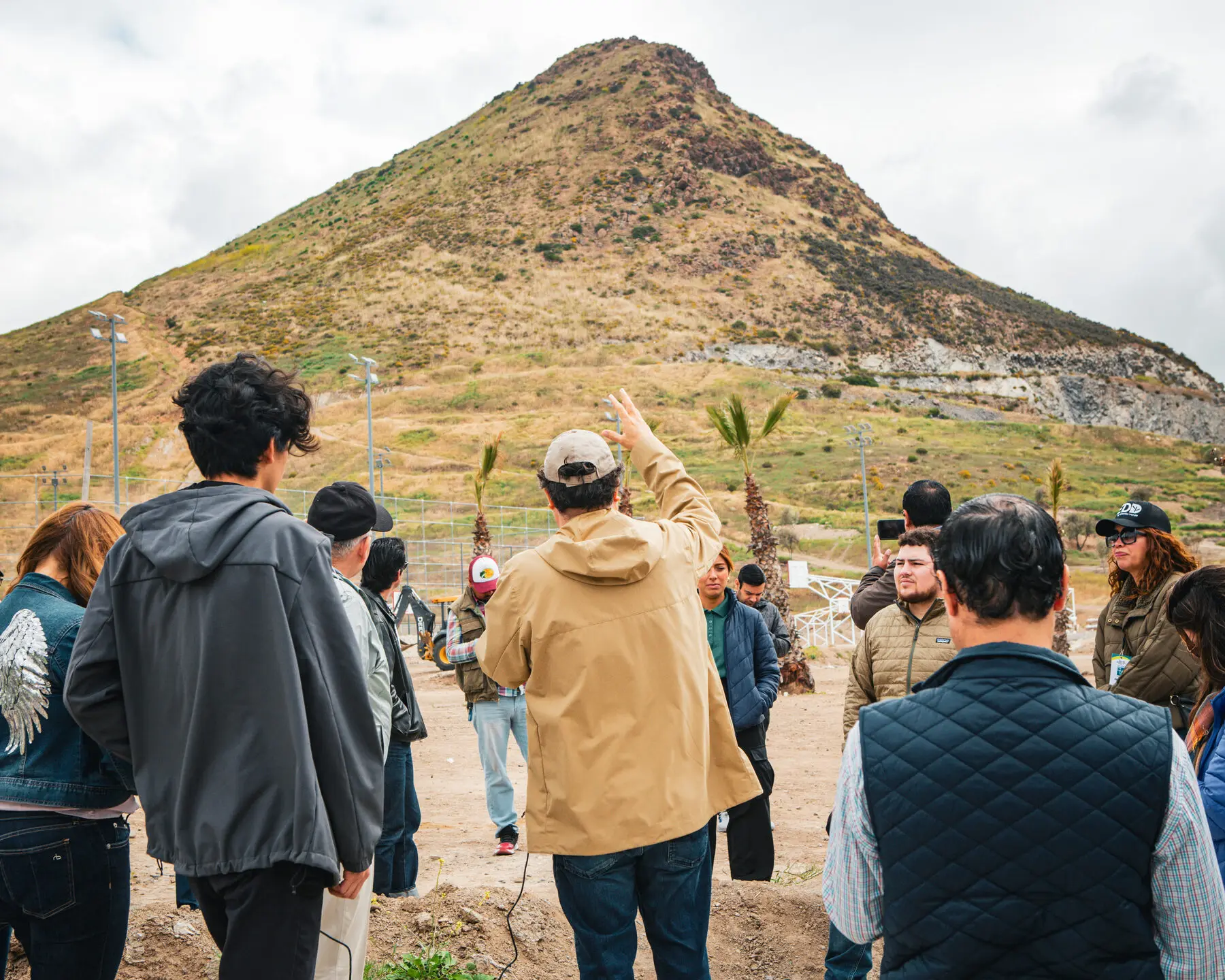
A region working apart
In 2024, San Diego and Tijuana became the first cross-border World Design Capital. The year drew over 1 million attendees and $100.4 million in economic output (UC San Diego Design Lab).
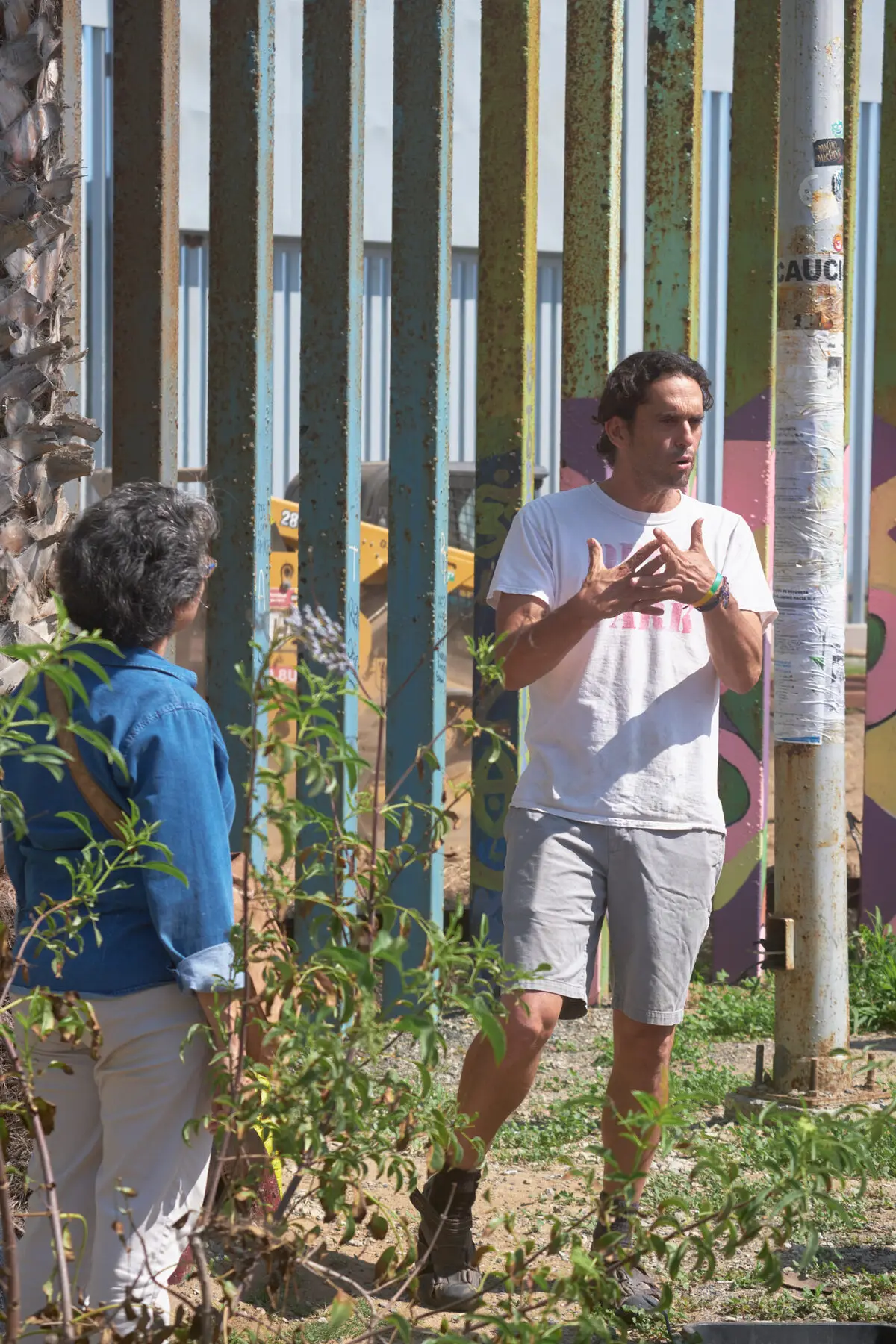
But a year of events can’t carry long-term change in a region split by a border that has hardened for three decades, and that San Ysidro alone sees crossed about 23 million times a year on foot and by car (Bureau of Transportation Statistics).
Shared problems cross too. The Tijuana River’s decades-long sewage crisis touches health, climate, planning and youth at once, and belongs to no single agency. Much of the response falls to small nonprofits and grassroots groups, often paired across the border, and they are stretched: over 80% of San Diego nonprofits reported less funding in 2025 while 70% saw demand rise (Nonprofit Institute, via Axios).
help community leaders on both sides of the border turn what residents tell them into shared evidence that agencies and funders act on?
Starting with the people already doing the work
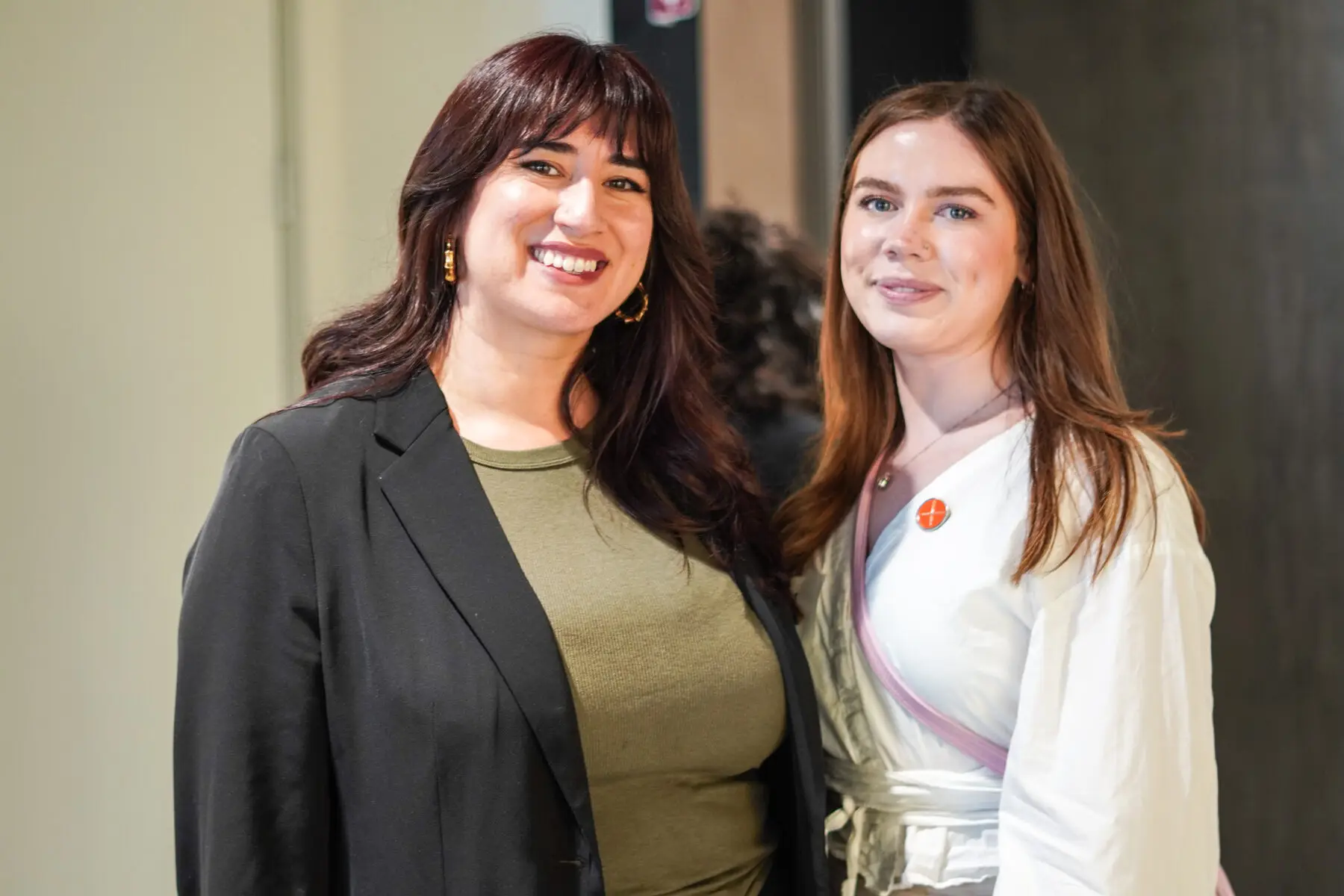
In early 2023, I led a search on both sides of the border for leaders in six fields: arts and culture, planning and placemaking, climate and sustainability, science and technology, health and wellbeing, and youth and education. The interviews doubled as discovery, mapping who was already doing the work and what support was missing. Each network came out of it with two leads, one from each side.
When WDC 2024 opened its call for proposals, we sorted submissions into each network’s portfolio with a rubric for regional relevance, community impact and accessibility. Then I interviewed every project around three questions: What are you trying to change, and for whom? What stands in your way? What could a central partner do that you can’t do alone?
Of the 63 projects, most were based in Tijuana or worked across the border. The pins show roughly where each one worked.
What leaders and projects needed
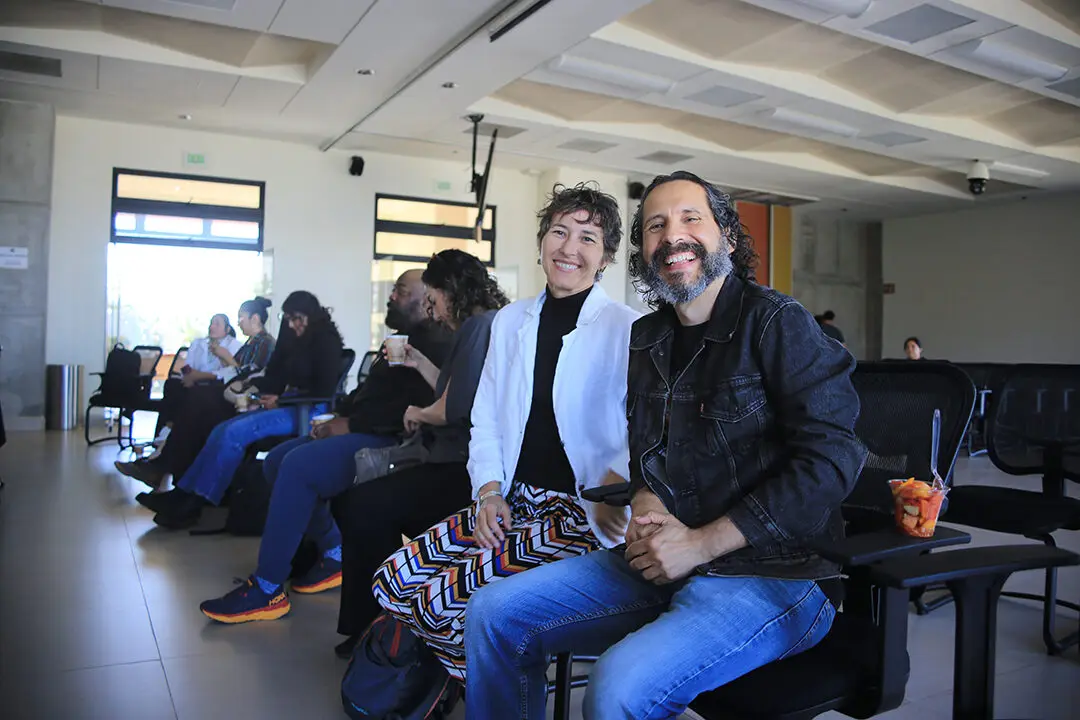
Network leads wanted to share their work and learn from others, but logistics like grants, venues, partners and volunteers slowed them down. Projects, in turn, needed the networks to reach more people and hear honest reactions from the communities they serve.
“In my years in this region, I’ve seen bold projects rise and fade. What struck me in the DANs was that change stayed alive when communities were trusted and supported, not directed over by institutions.”
That raised a question for us: if leaders and projects steered the work, could a central partner carry the logistics, so they could focus on gathering people, making sense of what they heard and testing new ideas?
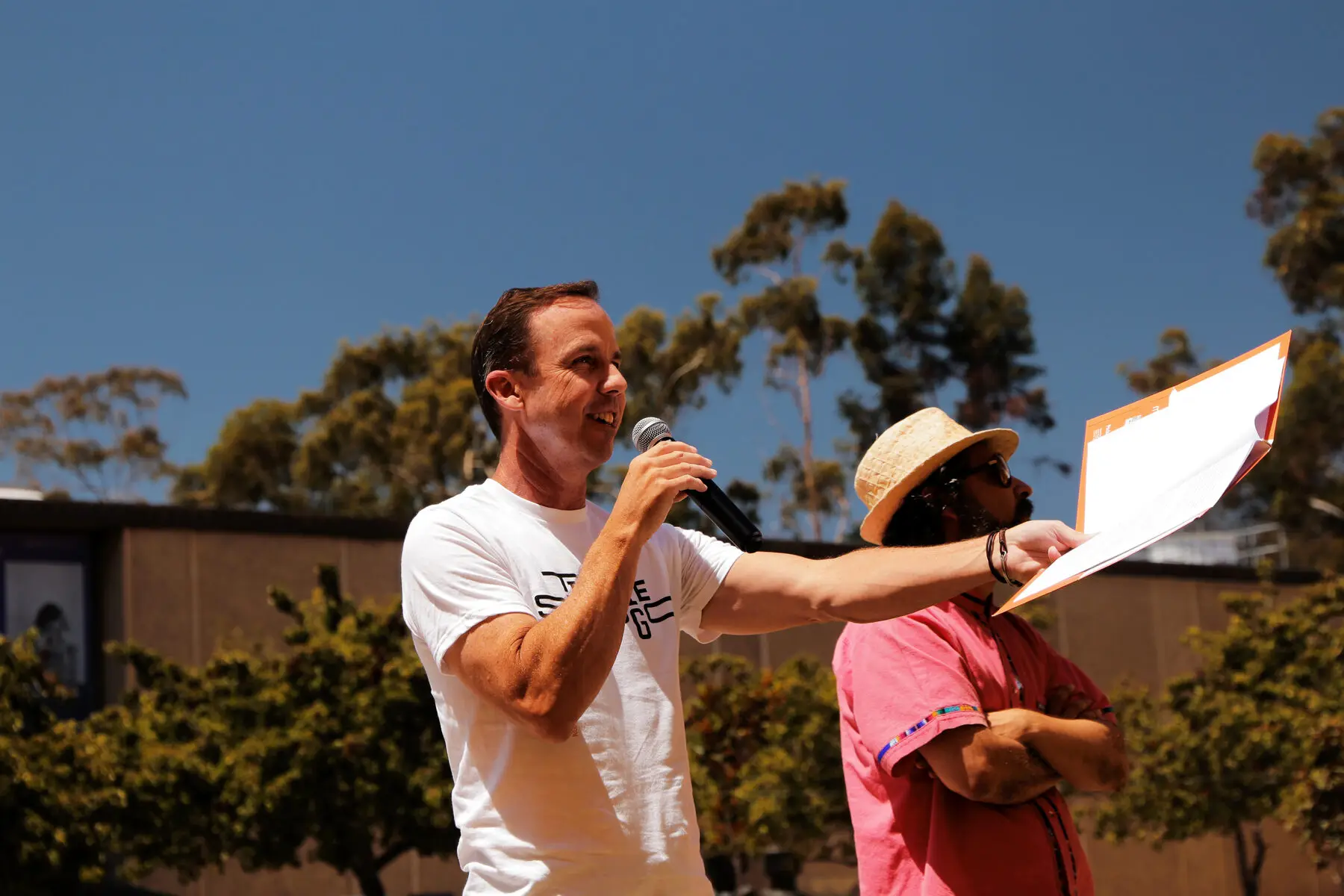
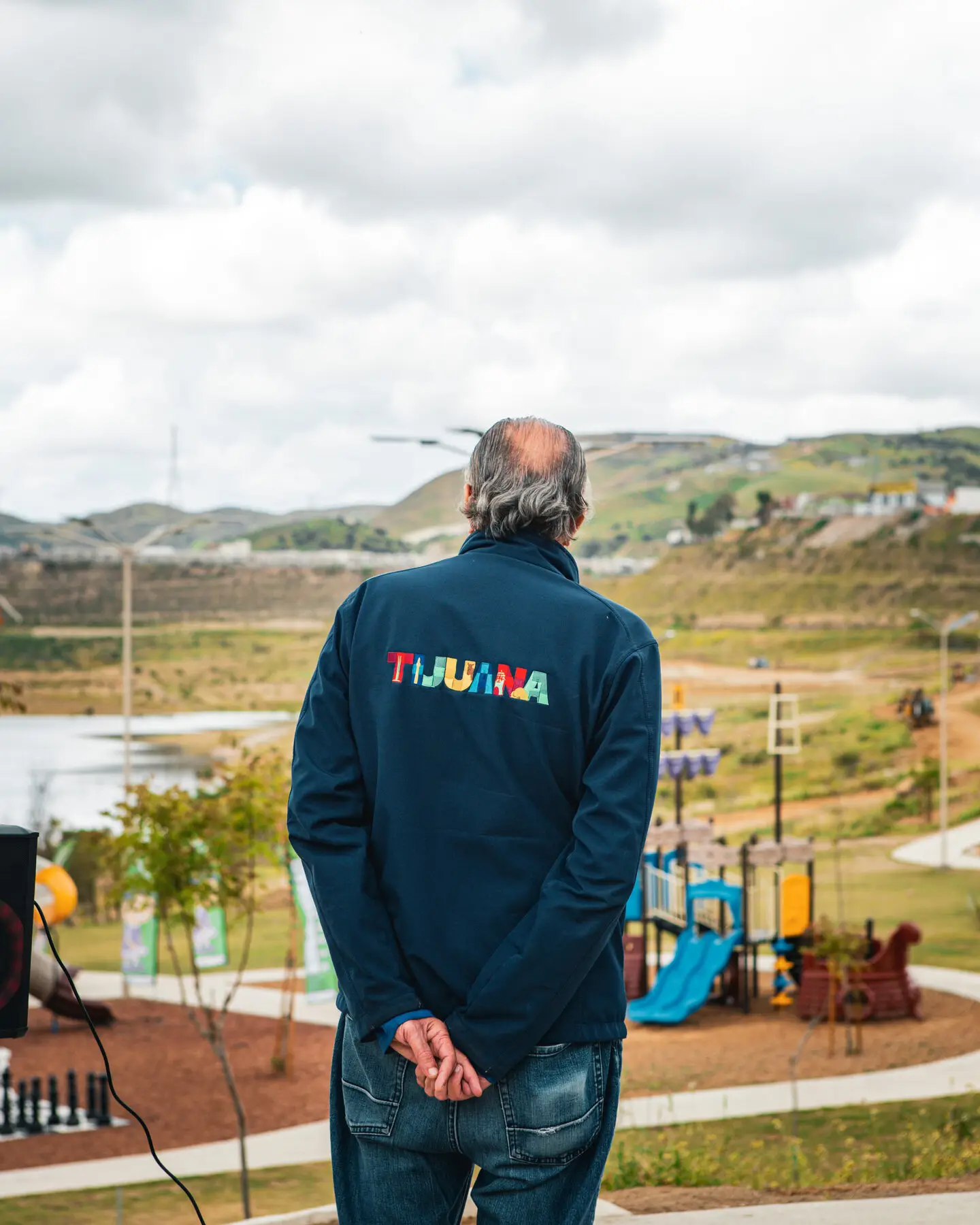
A central seat that carries the logistics
The model had been piloted with three projects in 2023. As Lead Program Manager, I set out to scale it to six networks and 60+ projects with a small staff and limited budget.
In collective impact terms, I ran the backbone: intake, budgets and a monthly record of progress and blockers, which let me see across all six networks and send resources where they were stuck.
Every lead and project had a living action plan, every network its own budget, and every lead a facilitator guide for running meetings. One shared impact report showed partners what others were learning and showed funders what changed.
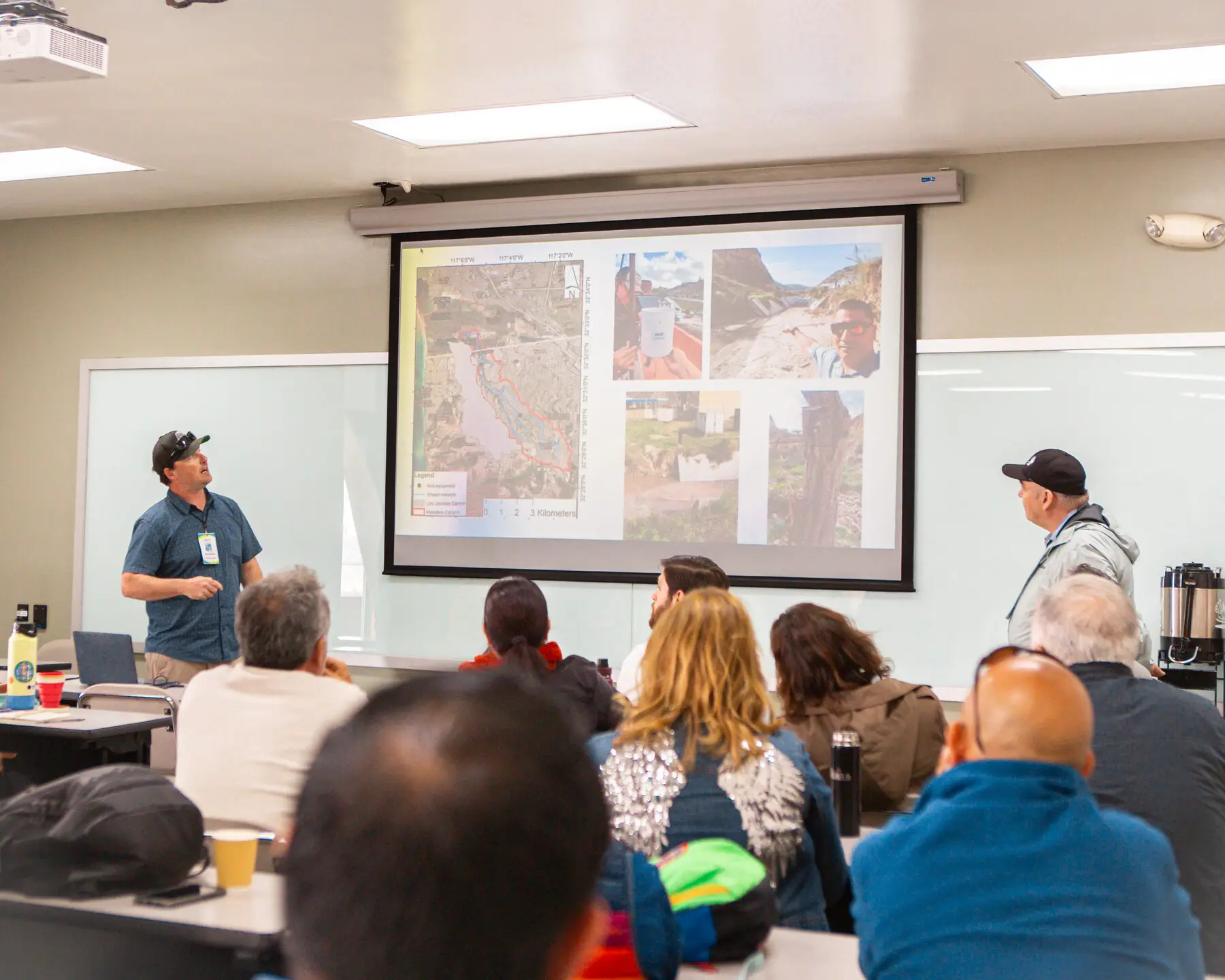
The Tijuana River Index shows what that made possible. Inside the Climate & Sustainability network, Arup worked pro bono with 4 Walls International and Iniciativa Río Tijuana to build an open map of the whole watershed, joining US and Mexican public data and scoring each area on five priorities residents set in workshops. Agencies and NGOs tested it together at demo day, partners pledged to keep it going, and in 2025 it won the California Geographic Information Association’s award for Innovative Use of GIS.
What it added up to
What I’d carry forward
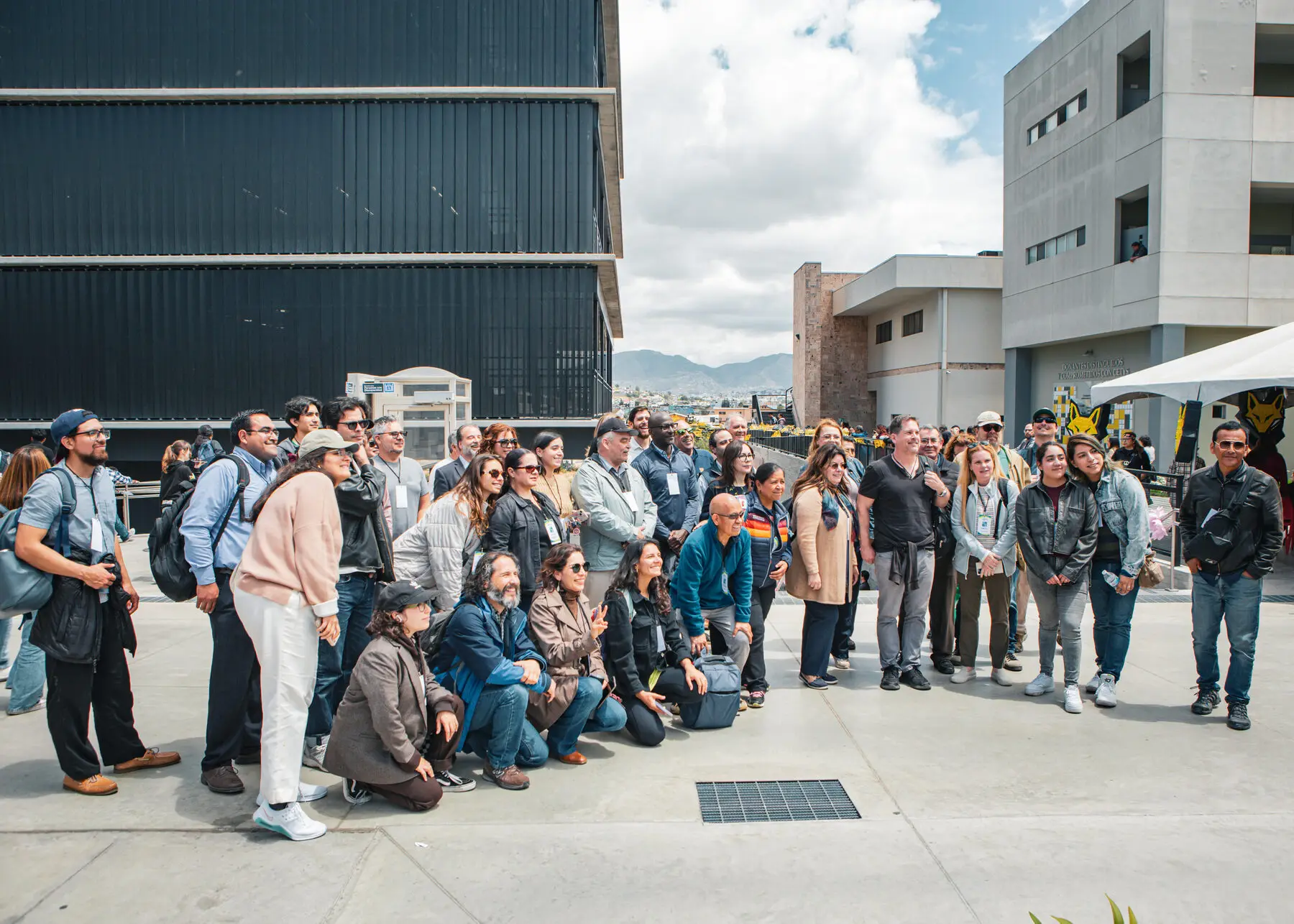
If I ran it again, I’d set a few shared KPIs with every network on day one and poll residents along the way; six strong final reports still couldn’t show what changed across all of them. The funding ended in March 2025, but the leads are still close colleagues on both sides of the border.
So the model wouldn’t leave with the people who ran it, James K. White and I wrote it down in Designing in Action, a white paper other regions can borrow from. Its main point is the one I’d stand behind: change comes from collective experiments, shared language and trust adding up over time, not from a single breakthrough.