Why learn design now
Building design degree programs for the age of AI.
- Role
- Project manager, education (half my time)
- Partners
- UC San Diego Design Lab faculty and staff, Design@Large speakers
- Dates
- 2025 to now
- Methods
- research and writing, program development, curriculum and admissions support, web and content design, speaker curation
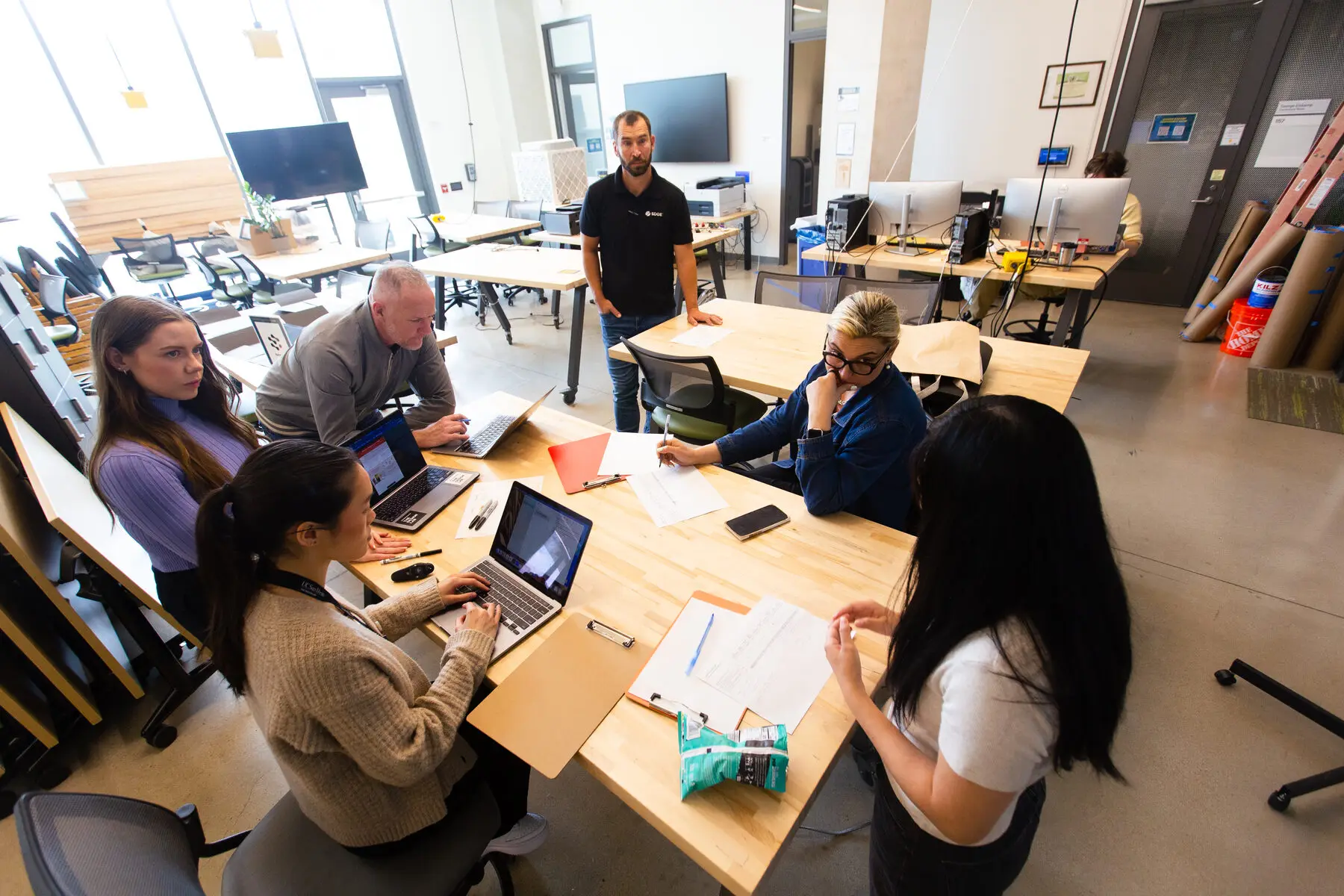
Making still matters
When AI can produce a polished artifact in seconds, it’s fair to ask what design school is for. In 2020, Michael Meyer and Don Norman argued in She Ji that “the most valuable elements of the designer’s perspective and process are seldom taught,” a year after UC San Diego’s makerspace leaders (COLLAB) argued that making belongs in every student’s education. Hiring data agrees: 76% of more than 75 million US job postings ask for at least one durable human skill, like communication or problem solving (America Succeeds and Lightcast).
teach judgment, not just making, when AI can produce a polished prototype in seconds?
Building a degree
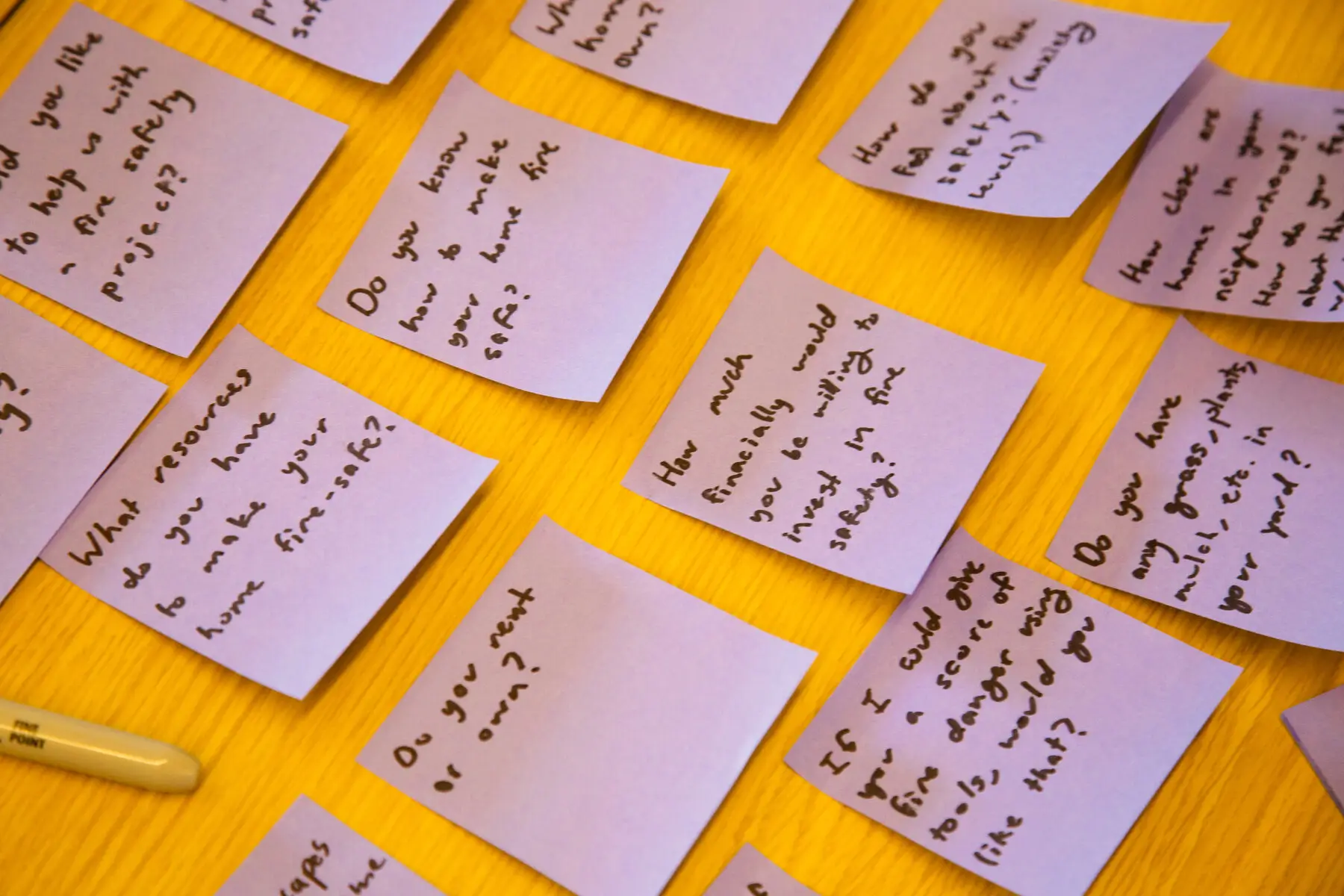
UC San Diego’s new Master of Design is a two-year professional degree with a capstone or thesis path, drawing on 15 core faculty from 10 departments. As AI speeds up prototyping, the harder skill is judgment, and the MDes builds it through critique, user testing and real partner projects. I project managed our faculty directors and team through the Lab’s shift from a federated research group to its first degree program: writing my share of the proposal and reviewer responses, and planning admissions, the brand and website, and the student experience. It’s been a welcome stretch of writing and research.
A question I wanted to ask out loud
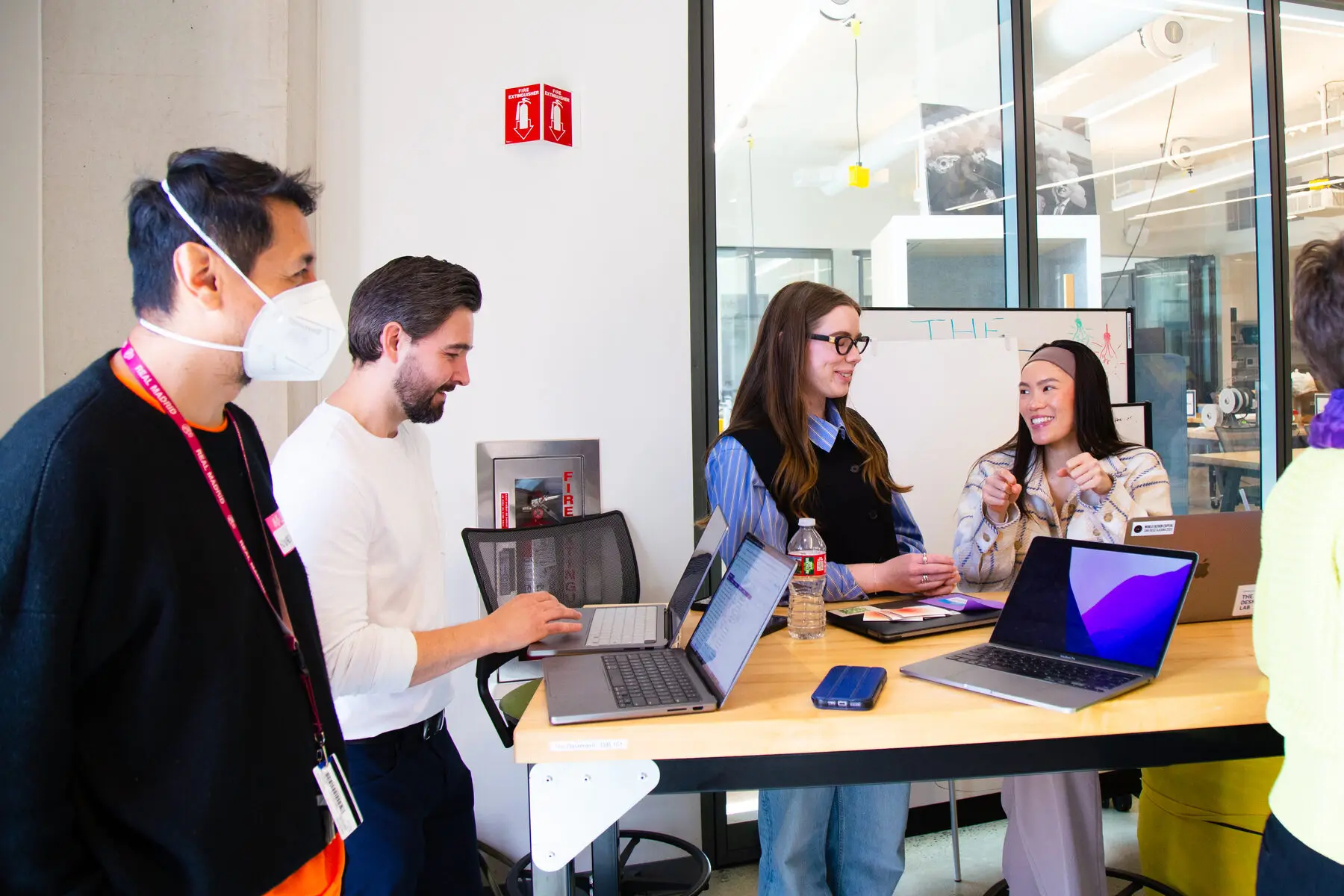
With the master’s launching this cycle, I wanted our fall Design@Large series to ask what design education should be now. My first sketch paired people who hire designers with people who teach them. Scott Klemmer signed on to teach the series and brought the sharper question: what would it take for a university to change on purpose, before it has to?
Scott opened the series by recalling how quickly the university reinvented itself during the pandemic, proof it can move fast when it believes it must, and made the case for getting out in front of AI instead of waiting.